
5 Tiny House Layout Ideas That Make Small Spaces Feel Bigger
Maximize Your Home

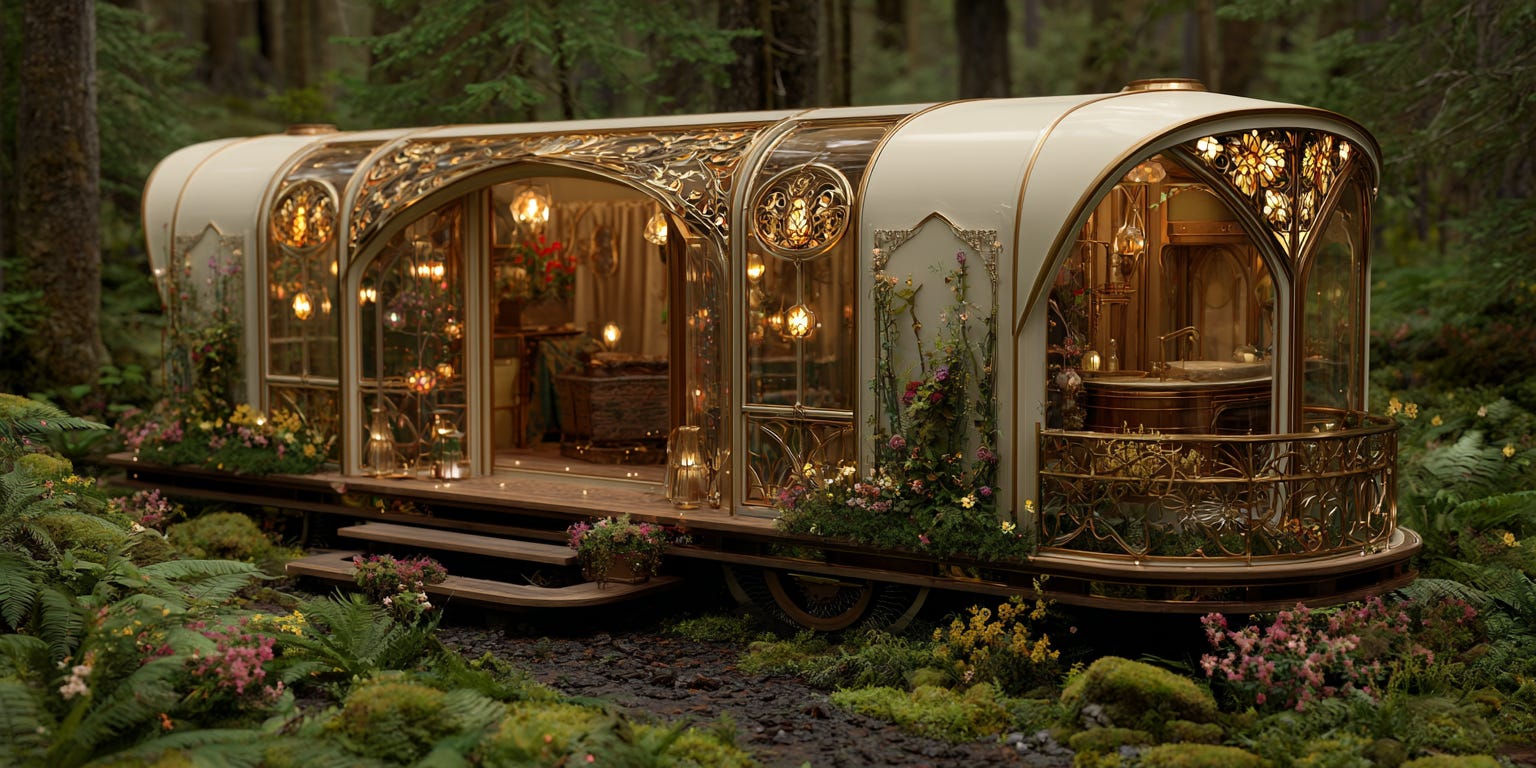
One of the most surprising things about well-designed tiny homes is that some of them do not actually feel tiny at all. The difference often comes down to layout, lighting, materials, and how the space flows together.
Good design can completely change the feeling of a small home.
One of the most effective layout choices is a high vaulted ceiling. Even in compact footprints, vertical space creates openness and allows natural light to travel further throughout the home. Many tiny homes feel dramatically larger simply because the ceiling draws your eyes upward.
Open floor plans also make a major difference. Spaces that combine the kitchen, dining, and living areas without heavy separation tend to feel calmer and less crowded. Removing unnecessary walls creates better flow and flexibility within the home.
Color and materials matter more than many people realize. Lighter wood tones, soft neutral palettes, warm whites, natural textures, and reflective surfaces can help a space feel brighter and more open. Strategic contrast can also add depth without making the space feel busy.
Large windows are another powerful design feature. Natural light helps tiny homes feel connected to the outdoors rather than closed in. Some layouts even intentionally frame outdoor views to make the surrounding environment feel like part of the living space.
Finally, built-in storage and multifunctional furniture help reduce visual clutter. Clean surfaces and thoughtful organization often make a tiny home feel more spacious than larger homes filled with excess belongings.
Small spaces work best when every part of the design feels intentional. In many ways, tiny homes are less about square footage and more about how thoughtfully the space is used.